
 By admin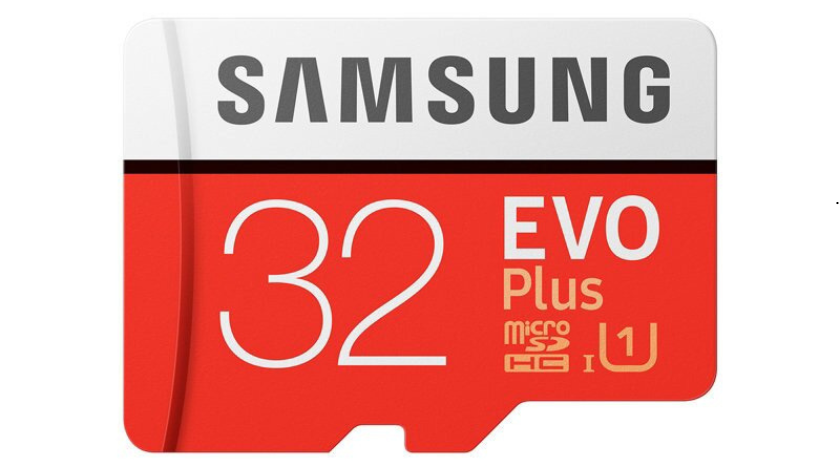
A Samsung EVO SD card is a flash memory card designed for storing photos, videos, applications, games, and documents across a wide range of devices. Available in both full-size SD and microSD formats, the EVO lineup is aimed at users who need reliable storage without paying premium prices for professional-grade media. Whether you’re recording family videos on a DSLR, expanding storage on an Android device, or saving gameplay on a handheld console, the EVO series offers an excellent balance of performance and value.
Samsung manufactures its own NAND flash memory, which gives the company tighter control over quality and consistency than brands that rely on third-party components. The latest EVO Plus cards support modern standards such as UHS-I, Class 10, U1/U3, V10/V30, and A1/A2 (depending on capacity), making them suitable for Full HD and many 4K recording scenarios. Higher-capacity models are especially well suited for creators who regularly work with large photo libraries or long-form video. Samsung also backs the cards with a 10-year limited warranty, reflecting confidence in their long-term durability.
EVO vs EVO Plus
The standard EVO line focuses on everyday storage, while EVO Plus models provide faster transfer speeds and improved support for demanding tasks like burst photography and 4K video recording. Recent EVO Plus microSD cards can achieve up to 160 MB/s read speeds on compatible devices, offering noticeably faster file transfers than earlier generations.
SD vs microSD
Samsung offers both SD cards for cameras and laptops and microSD cards for smartphones, tablets, drones, dash cams, and handheld gaming devices. Many microSD versions include a full-size SD adapter, allowing them to work in devices that require a standard SD card.
Key Features
One reason the EVO lineup remains popular is that it combines useful real-world features instead of chasing benchmark numbers alone. Storage capacities range from 32GB for casual users to 1TB on select microSD models, giving buyers flexibility based on their needs. Read speeds reach 130 MB/s on EVO Plus SD cards and up to 160 MB/s on certain EVO Plus microSD cards, helping reduce the time needed to move large photo or video collections to a computer. Actual write speeds vary by capacity and device, but higher-capacity U3/V30 models are designed for more demanding recording workloads.
Samsung also equips EVO cards with extensive durability features. They are designed to resist water, extreme temperatures, airport X-rays, magnets, accidental drops, and repeated insertion cycles, making them a dependable choice for travel and outdoor use. Whether you’re hiking with an action camera or carrying important files between devices, these protections add confidence that your data will remain safe under normal conditions.
| Feature | Samsung EVO Plus |
|---|---|
| Maximum Capacity | Up to 1TB (microSD) |
| Interface | UHS-I |
| Read Speed | Up to 160 MB/s (microSD), up to 130 MB/s (SD) |
| Warranty | 10 Years |
| Protection | Water, Temperature, X-ray, Magnet, Drop, Wear |
Understanding Speed Ratings
Memory card labels can look confusing at first glance, but each symbol serves a purpose.
| Rating | Meaning | Best For |
|---|---|---|
| Class 10 | Minimum 10 MB/s write speed | Everyday recording |
| U1 | Basic UHS performance | Full HD video |
| U3 | Higher sustained write speed | 4K recording |
| V30 | 30 MB/s sustained video | High-bitrate video |
| A2 | Faster app loading | Android devices |
If your primary goal is recording 4K video or running apps from a memory card, choosing a U3, V30, and A2 rated card is generally the better option.
Performance for Different Devices
The Samsung EVO series performs well across many different categories of hardware. Photographers appreciate the fast read speeds that shorten the time required to back up images after a shoot. Drone users benefit from stable write performance during aerial recording, while smartphone owners can expand storage for photos, videos, and offline media. Gamers also use EVO cards with handheld consoles to store downloaded titles and save files.
Independent reviews continue to rate Samsung’s EVO family as one of the strongest value options available. While premium cards like the Samsung PRO Plus or Lexar Professional Silver Plus achieve higher write speeds, the EVO lineup offers excellent everyday performance at a lower price. Reviewers particularly praise its reliability, broad compatibility, and competitive pricing.
Samsung EVO vs Samsung PRO Plus
Choosing between EVO and PRO Plus depends on your workload.
| Feature | Samsung EVO Plus | Samsung PRO Plus |
|---|---|---|
| Target User | Everyday users | Professionals |
| Read Speed | Up to 160 MB/s* | Higher on select models |
| 4K Recording | Yes (supported models) | Excellent |
| Price | Lower | Higher |
| Best For | Phones, cameras, gaming | Professional video |
If you frequently shoot high-resolution video, continuous RAW bursts, or commercial projects, the PRO Plus may justify its higher price. For general photography, smartphones, gaming devices, and casual content creation, EVO Plus offers a strong balance between cost and performance.
Buying Guide
Before buying a Samsung EVO SD card, consider the type of device you plan to use. A DSLR or mirrorless camera may require a full-size SD card, while smartphones, drones, and action cameras usually need microSD. Capacity matters too: 64GB is suitable for everyday use, 128GB–256GB works well for frequent photo and video recording, and 512GB–1TB is ideal for creators who capture large amounts of 4K content.
It’s also important to purchase from reputable retailers. Counterfeit memory cards remain a common problem in online marketplaces, with fake cards often reporting larger capacities than they actually provide. Buying through authorized sellers and verifying authenticity after purchase helps avoid data loss. Community discussions regularly emphasize this precaution, especially when prices seem unusually low.
Advantages and Disadvantages
Pros
- Excellent balance of price and performance
- Available in multiple capacities
- Fast read speeds for everyday transfers
- Strong durability protections
- Compatible with many devices
- Long 10-year limited warranty
Cons
- Write speeds are lower than premium professional cards
- Highest-performance models cost more
- Counterfeit products exist on some marketplaces
Conclusion
The Samsung EVO SD Card remains one of the best choices for users seeking dependable storage without paying professional-grade prices. Whether you need additional space for your smartphone, camera, drone, gaming console, or laptop, the EVO lineup delivers fast performance, excellent durability, and broad compatibility. With capacities reaching 1TB, modern UHS-I performance, and comprehensive environmental protection, Samsung has built a memory card family that meets the needs of both casual users and enthusiasts. If your workflow demands the fastest sustained write speeds for professional production, the PRO Plus line may be worth considering, but for most people, the EVO Plus offers outstanding value and dependable everyday performance.
Frequently Asked Questions
1. Is the Samsung EVO SD card good for 4K video?
Yes. Higher-capacity U3/V30 EVO Plus models support 4K video recording on compatible devices.
2. What’s the difference between EVO and EVO Plus?
EVO Plus generally offers faster transfer speeds and improved performance for demanding tasks such as 4K video and burst photography.
3. How long is the warranty?
Samsung provides a 10-year limited warranty for EVO Plus SD and microSD cards, subject to warranty terms.
4. Can I use a Samsung EVO microSD card in a camera?
Yes. Most EVO microSD cards include an SD adapter, allowing them to be used in cameras that accept standard SD cards.
5. How can I avoid buying a fake Samsung EVO SD card?
Purchase from authorized retailers, inspect the packaging carefully, and test the card’s true capacity with a reputable storage verification tool after purchase.