
 By admin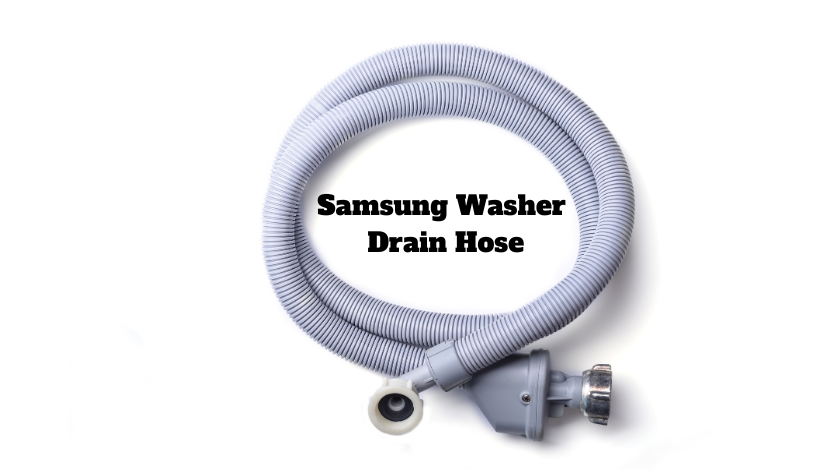
The Samsung washer drain hose is a simple component with a critical job: carrying used water safely from the washing machine to your home’s drainage system. Whether you own a Samsung front-load or top-load washer, the drain hose works with the drain pump to remove dirty water during the wash and spin cycles. Although it may seem like just another rubber tube, incorrect installation or damage can lead to leaks, poor drainage, unpleasant odors, or error codes that interrupt every laundry cycle.
Samsung includes a drain hose and a plastic hose guide with most new washing machines. The guide helps maintain the proper bend at the end of the hose, preventing it from collapsing or slipping too far into the standpipe. According to Samsung’s installation guidance, proper positioning is essential to avoid siphoning, drainage failures, and water leaks.
What It Does
The drain hose transfers wastewater from the washer’s drain pump to a household standpipe, utility sink, or laundry tub.
Common Types of Drain Hoses
- Standard factory-installed hose
- Replacement OEM drain hose
- Extended drain hose (only when compatible with the washer model)
- Universal drain hose (check compatibility before purchasing)
How a Samsung Washer Drain Hose Works
Every wash cycle ends with the drain pump forcing water through the drain hose and into your home’s plumbing. If the hose is kinked, blocked, or installed incorrectly, the water cannot flow efficiently. This may leave standing water inside the drum, prevent proper spinning, or trigger drain-related error codes.
One of the most common installation mistakes is inserting the hose too deeply into the standpipe. Samsung recommends inserting the hose at least 6 inches but no more than 8 inches into the standpipe. The connection should not be airtight, as this can create a siphoning effect that causes drainage issues and recurring error codes.
The Draining Process
- The drain pump activates.
- Water is pushed through the drain hose.
- Wastewater exits into the household drain.
- The washer proceeds to the spin cycle.
Why Proper Installation Matters
Correct installation helps prevent:
- Water leaks
- Slow draining
- Bad odors
- Siphoning
- Drain and spin errors
Samsung Drain Hose Installation Guide
Installing the drain hose correctly is one of the most important steps when setting up a Samsung washing machine. Samsung specifies different height requirements depending on whether the hose drains into a standpipe or over the edge of a laundry sink.
For a standpipe installation, the standpipe should generally be between 39 and 96 inches from the floor. The drain hose should be inserted 6–8 inches into the pipe without creating an airtight seal. If draining into a laundry sink or utility tub, the hose should be supported by the supplied hose guide and positioned approximately 24–35 inches above the floor. These recommendations help prevent siphoning while ensuring efficient drainage.
| Installation Location | Recommended Height |
|---|---|
| Laundry Sink | 24–35 inches |
| Standpipe | 39–96 inches |
| Hose Insertion Depth | 6–8 inches |
Standpipe Installation
Secure the hose with the included guide and a zip tie so it cannot slip farther into the pipe.
Utility Sink Installation
Use the supplied plastic guide to keep the hose curved over the sink edge.
Recommended Height and Depth
Following Samsung’s published measurements helps reduce drainage problems and prevents siphoning.
Common Samsung Drain Hose Problems
Many washing machine problems originate with the drain hose rather than the drain pump itself. A clogged hose may slow drainage, while a pinched hose can prevent water from leaving the washer altogether. Physical damage, such as cracks or splits, often causes leaks during the drain cycle.
Samsung also advises against removing the factory-installed drain hose holder or clamp on the back of the washer. This holder helps maintain the proper hose loop, and removing it can contribute to automatic draining or trigger certain washer error codes. The company also recommends inspecting the hose regularly for kinks, sharp bends, or damage.
Clogs
Lint, debris, or small clothing items may restrict water flow.
Leaks
Leaks often result from damaged hoses, loose connections, or incorrect installation.
Kinks and Twists
A crushed hose reduces water flow and can prevent proper draining.
Replacing a Samsung Washer Drain Hose
Replacing a worn drain hose is usually a straightforward repair. Always disconnect the washer from electrical power before beginning. Shut off the water supply if moving the appliance is necessary, and carefully pull the machine away from the wall to access the rear panel.
Before installing a replacement hose, compare it with the original to confirm the correct diameter and connection type. Once installed, check that the hose follows a smooth path without tight bends and is secured using the original clamp or holder. After reconnecting everything, run a rinse-and-spin cycle to verify there are no leaks and that the washer drains correctly.
Tools You’ll Need
- Screwdriver
- Pliers
- Towels
- Bucket
- Replacement drain hose (compatible with your model)
Step-by-Step Replacement
- Disconnect power.
- Pull the washer away from the wall.
- Remove the old hose.
- Install the replacement.
- Secure the hose holder.
- Test for leaks.
Maintenance Tips for Longer Hose Life
Routine maintenance can significantly extend the life of a Samsung washer drain hose. Every few months, inspect the hose for signs of cracking, wear, or discoloration. Ensure that heavy objects behind the washer are not pressing against the hose, and avoid bending it sharply when moving the appliance.
Cleaning the washer’s pump filter also supports proper drainage. Samsung recommends periodically removing and cleaning the pump filter on applicable front-load models to improve water flow and reduce the chance of drainage issues. If the washer begins draining slowly or leaves water in the drum, checking both the pump filter and drain hose should be among the first troubleshooting steps.
Cleaning
Flush the hose with clean water if buildup is suspected.
Inspection
Replace the hose immediately if you notice cracks, swelling, or persistent leaks.
Samsung Error Codes Related to Drain Issues
Several Samsung washer error codes can indicate drain-related problems.
| Error Code | Possible Cause |
|---|---|
| 5C / SC | Drain problem or blockage |
| LC | Leak detection |
| 4C (in some installation scenarios) | Improper drain hose installation causing siphoning |
Not every error means the drain hose is faulty, but checking its condition and installation is one of the quickest diagnostic steps.
Conclusion
The Samsung washer drain hose is a small but essential part of your washing machine’s drainage system. Proper installation, regular inspection, and prompt replacement when damaged can help prevent leaks, drainage failures, unpleasant odors, and unnecessary repair costs. Following Samsung’s recommendations for hose height, insertion depth, and routing can also reduce the likelihood of common drain-related error codes.
Whether you’re installing a new washer, replacing a worn hose, or troubleshooting a drainage problem, paying attention to this single component can make a noticeable difference in your appliance’s performance and reliability. A correctly installed drain hose helps your washer complete every cycle efficiently while protecting both your home and your laundry room from avoidable water damage.
FAQs
1. How deep should a Samsung washer drain hose go into the standpipe?
Samsung recommends inserting the hose 6 to 8 inches into the standpipe without creating an airtight seal.
2. Can a kinked drain hose cause draining problems?
Yes. A kinked or pinched hose can restrict water flow, resulting in slow draining or drain-related error codes.
3. How often should I inspect the drain hose?
It’s a good idea to inspect it every few months or whenever you move the washer.
4. Can I use a universal drain hose?
Some universal hoses are compatible, but you should verify that the size and connections match your specific Samsung washer model.
5. Why does my Samsung washer smell bad?
A clogged or improperly installed drain hose, standing water in the drain system, or a dirty pump filter can all contribute to odors.