
 By admin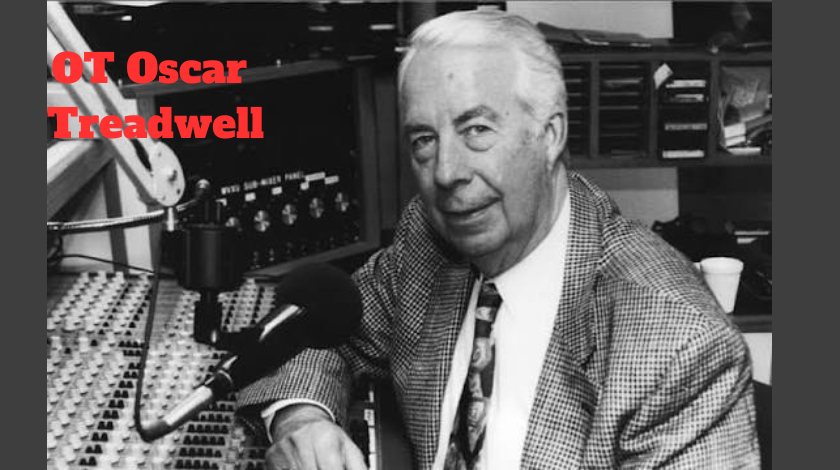
When people think about the greatest names in American jazz, musicians such as Charlie Parker, Dizzy Gillespie, and Thelonious Monk naturally come to mind. Yet behind many legendary performers stood individuals who dedicated their lives to introducing audiences to this remarkable music. One of the most respected among them was Oscar “OT” Treadwell, a radio broadcaster whose passion for jazz helped preserve and promote the genre for more than five decades.
Known affectionately as “OT,” Treadwell became one of America’s most influential jazz radio personalities. His warm voice, deep musical knowledge, and genuine friendships with jazz icons earned him extraordinary respect throughout the jazz community. His influence became so significant that several famous musicians honored him by naming original compositions after him an incredibly rare distinction for a radio host. His career stretched from the late 1940s until shortly before his passing in 2006, making him one of the longest-serving advocates of jazz broadcasting in the United States.
Who Was OT Oscar Treadwell?
Oscar Treadwell was born Arthur Pedersen on May 11, 1926, in Chicago, Illinois. Although he later became known worldwide as “OT,” his journey into broadcasting was anything but conventional. Before entering radio, he worked in industrial management and consulting. Those early professional experiences gave him discipline and organizational skills, but his true passion lay elsewhere in the rich sounds of jazz that were transforming American music.
The nickname “OT” became synonymous with excellence in jazz broadcasting. Over the years, listeners associated those two initials with authenticity, musical expertise, and thoughtful storytelling. Unlike many radio personalities who simply introduced songs, OT educated listeners about artists, recording sessions, musical innovations, and the cultural significance behind every performance. His broadcasts felt less like radio programs and more like conversations with a trusted friend who happened to know everything about jazz.
Early Life and Background
Growing up during America’s swing era exposed Treadwell to a rapidly evolving musical landscape. Jazz was more than entertainment it represented creativity, freedom, and innovation. Those qualities fascinated him from an early age. Although little attention was given to his childhood during his lifetime, historians generally agree that his lifelong appreciation for jazz developed well before his broadcasting career officially began.
Instead of pursuing music professionally, Treadwell found his calling behind the microphone. His remarkable ability to explain complex musical ideas in everyday language allowed both dedicated jazz enthusiasts and newcomers to enjoy his programs equally.
Why He Became Known as “OT”
The initials “OT” originated from Oscar Treadwell, a shortened version that listeners found memorable and approachable. Over time, “OT” became a trusted brand within American public radio. Even decades after his retirement, many jazz fans still referred to him simply as “OT,” a testament to the personal connection he built with audiences.
The Beginning of a Remarkable Broadcasting Career
Oscar Treadwell entered radio broadcasting in 1947, beginning at stations in Pennsylvania before working in New Jersey and Philadelphia. Those early years helped him develop a relaxed broadcasting style that emphasized conversation over performance. Unlike many announcers of the era who relied on scripted introductions, OT spoke naturally, allowing his enthusiasm for jazz to shine through every broadcast.
His career reached new heights after moving to Cincinnati in 1960. There he worked at several influential stations including WZIP, WNOP, WGUC, WVXU, and later WMKV. His radio programs became staples of Cincinnati’s cultural life, introducing generations of listeners to classic recordings alongside emerging jazz artists. His broadcasts remained influential for decades, helping establish Cincinnati as an important regional center for jazz appreciation.
His First Radio Jobs
The broadcasting world of the late 1940s was highly competitive, yet OT distinguished himself through preparation rather than theatrics. He researched musicians extensively and treated every recording with respect. This dedication quickly earned admiration from both audiences and performers.
Moving to Cincinnati
Cincinnati ultimately became OT’s adopted home. His work there extended beyond radio as he became a respected historian, mentor, lecturer, and advocate for the city’s jazz community. His voice became inseparable from Cincinnati’s musical identity.
OT’s Love Affair with Jazz
Jazz wasn’t simply music to Oscar Treadwell it was a living history that deserved preservation. Every broadcast reflected his belief that understanding an artist’s background enhanced appreciation for the music itself. Listeners learned about recording sessions, improvisational techniques, and personal stories that rarely appeared in mainstream media.
OT developed close friendships with many of jazz’s greatest performers. His genuine admiration allowed him to conduct insightful interviews and gain behind-the-scenes perspectives unavailable elsewhere. Rather than treating famous musicians as celebrities, he approached them as fellow lovers of the art form. This authenticity earned enormous respect throughout the jazz world.
Passion Beyond Broadcasting
His enthusiasm extended into poetry, public speaking, music education, and community events. He regularly encouraged younger audiences to explore jazz history while supporting local musicians who carried the tradition forward.
Building Relationships with Jazz Legends
Among his friends were Charlie Parker, Dizzy Gillespie, Thelonious Monk, and Dave Brubeck. These relationships weren’t promotional opportunities—they were genuine friendships built upon mutual admiration for jazz.
Charlie Parker and “An Oscar for Treadwell”
Perhaps the greatest tribute ever paid to a radio broadcaster came in 1949, when Charlie Parker composed “An Oscar for Treadwell.” The recording featured an extraordinary lineup including Parker, Dizzy Gillespie, Thelonious Monk, Curly Russell, and Buddy Rich. The composition immortalized Treadwell’s contributions to jazz culture.
Receiving a musical dedication from Charlie Parker was remarkable on its own. Even more extraordinary was the fact that other musicians followed. Wardell Gray composed “Treadin’ with Treadwell,” while Thelonious Monk later created “Oska T.” These works demonstrated the immense respect musicians held for OT and confirmed that his influence extended far beyond the radio studio.
The Story Behind the Composition
“An Oscar for Treadwell” reflected Parker’s appreciation for someone who tirelessly promoted jazz without seeking fame for himself. It remains one of the most unique examples of a broadcaster inspiring original musical composition.
Other Musical Tributes
Few broadcasters in history have inspired multiple compositions by legendary musicians. These tributes continue introducing new listeners to OT decades after his passing.
Jazz with OT
One of Treadwell’s most beloved programs was “Jazz with OT.” Airing on WVXU, the show combined carefully selected recordings with thoughtful commentary. Instead of overwhelming listeners with technical analysis, OT created an inviting atmosphere that welcomed everyone regardless of musical knowledge.
His broadcasts balanced historical context, personal stories, poetry, interviews, and exceptional recordings. Even after his death in 2006, archived episodes continued airing with permission from his family, allowing new generations to experience his distinctive style. The continued broadcasts highlight the timeless quality of his work and the affection listeners still have for his voice.
Signature Broadcasting Style
OT never rushed through playlists. He allowed music to breathe, speaking only when he had something meaningful to add. That patience became one of his defining characteristics.
Influence on Jazz Education
Teachers, students, musicians, and lifelong jazz fans frequently cited his programs as valuable educational resources. His explanations transformed difficult musical concepts into engaging stories anyone could understand.
Legacy and Recognition
Oscar Treadwell passed away on April 1, 2006, ending a broadcasting career that lasted nearly sixty years. Yet his influence has never truly disappeared. Cincinnati Public Radio continues preserving many of his archived programs, while libraries have digitized portions of his extensive recordings for future generations. His broadcasts remain valuable historical documents that capture not only extraordinary music but also the cultural conversations surrounding jazz throughout the twentieth century.
Preservation of His Recordings
The Public Library of Cincinnati and Hamilton County created collections celebrating OT’s work, ensuring researchers, educators, and music lovers can continue exploring his remarkable legacy.
Lasting Impact on Jazz Radio
Modern jazz broadcasters continue borrowing elements of OT’s conversational approach. His emphasis on storytelling rather than simple music rotation helped redefine what jazz radio could become.
Why Oscar Treadwell Still Matters Today
Streaming services provide instant access to millions of songs, but algorithms cannot replace knowledgeable human storytellers. Oscar Treadwell demonstrated that context transforms listening into understanding. His broadcasts connected recordings to history, musicians to audiences, and local communities to a broader cultural movement.
His legacy reminds broadcasters that great radio is built on authenticity rather than technology. More importantly, it reminds music lovers that preserving artistic history requires passionate advocates willing to dedicate their lives to sharing it. More than twenty years after his final broadcasts, OT remains one of the most respected voices in American jazz history because he never treated music as background noise he treated it as a conversation worth preserving.
Conclusion
Oscar “OT” Treadwell occupies a unique place in American music history. Although he never performed on stage like the jazz legends he admired, his influence reached audiences across generations through radio, education, and unwavering advocacy for jazz. His friendships with iconic musicians, multiple musical tributes, decades of broadcasting excellence, and continuing presence through archived programs demonstrate a legacy that extends well beyond traditional radio.
Anyone interested in jazz history eventually encounters OT’s name, whether through Charlie Parker’s famous composition, archived broadcasts, or stories shared by musicians who knew him personally. His career stands as proof that preserving culture is just as important as creating it.
Frequently Asked Questions
1. Who was OT Oscar Treadwell?
Oscar “OT” Treadwell was an American jazz radio broadcaster, journalist, and historian who dedicated more than 50 years to promoting jazz music.
2. Why is Oscar Treadwell famous?
He is best known for his influential jazz radio career and for inspiring Charlie Parker’s composition “An Oscar for Treadwell.”
3. Which radio stations did Oscar Treadwell work for?
During his career, he worked at WZIP, WNOP, WGUC, WVXU, and WMKV, among other stations.
4. Why did jazz musicians dedicate songs to him?
Leading musicians admired his dedication to jazz education and his lifelong support of the genre, leading several of them to compose works in his honor.
5. Are Oscar Treadwell’s radio shows still available?
Yes. Archived editions of “Jazz with OT” continue to be preserved, and selected programs have been rebroadcast by WVXU while collections are maintained by Cincinnati institutions.