
 By admin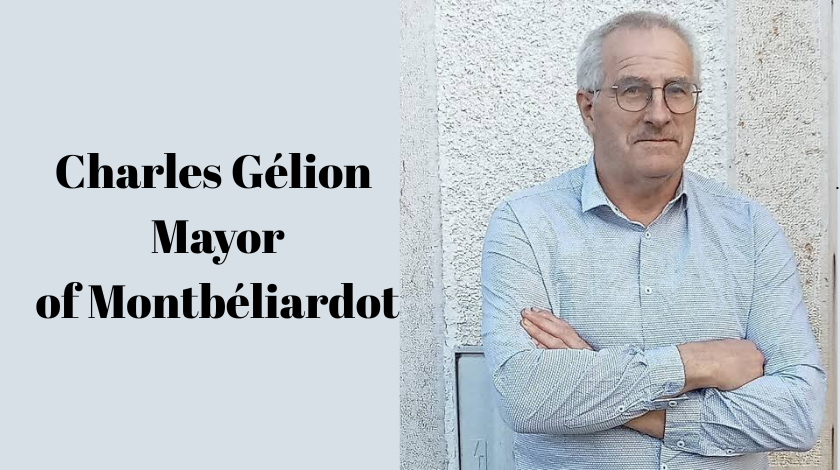
Charles Gélion is best known for serving as the mayor of Montbéliardot, a picturesque rural commune located near Le Russey in eastern France. Unlike the leaders of large metropolitan cities, the mayor of a small French commune plays a deeply personal role in everyday community life. Local residents often know their mayor personally, and municipal decisions directly affect roads, schools, environmental projects, community events, and local finances.
Montbéliardot may be small in size, but it reflects the importance of local democracy in France. Every decision—from maintaining village infrastructure to preserving the surrounding countryside—requires close cooperation between the mayor, municipal council, and residents. Charles Gélion’s leadership focuses on ensuring that essential public services remain accessible while preserving the rural character that defines the commune.
About Montbéliardot
Montbéliardot is situated in the Doubs department within the Bourgogne–Franche-Comté region of eastern France. Covering approximately 3.8 square kilometers, the commune lies at elevations ranging from 760 to 941 meters, giving it a scenic landscape of forests, agricultural land, and rolling hills. The village is part of the Communauté de communes du Plateau du Russey, allowing it to cooperate with neighboring municipalities on regional services and development initiatives.
Although home to only around 114 municipal residents, Montbéliardot enjoys a close-knit community atmosphere. Small communes such as this often rely on volunteer organizations, local traditions, and active municipal participation to maintain community life. The mayor’s office serves as an important link between residents and higher levels of government, ensuring that rural concerns are represented in regional planning and funding programs.
Charles Gélion’s Political Career
Charles Gélion became mayor following the 2020 municipal elections, beginning his first six-year term. During this period, his administration oversaw the day-to-day management of municipal affairs while working with neighboring communes through intermunicipal cooperation. Responsibilities included maintaining public facilities, overseeing local budgets, and supporting community services.
In the 2026 municipal election, voters again placed their confidence in Gélion. His list, “Montbéliardot dans la continuité”, received 52.17% of the vote and secured 9 of the 11 council seats, enabling him to begin a second consecutive term. Voter participation reached nearly 90%, a remarkably high turnout that reflects the importance residents place on local governance. Following the election, Thierry Vuillemin was appointed first deputy mayor, Laurine Perrot second deputy mayor, and Pascal Clémence third deputy mayor.
| Election | Result |
|---|---|
| 2020 | Elected Mayor |
| 2026 | Re-elected |
| Winning Vote Share | 52.17% |
| Council Seats Won | 9 of 11 |
| Voter Turnout | 89.52% |
Responsibilities as Mayor
The mayor of a French commune performs a wide variety of administrative and civic responsibilities. These include implementing decisions made by the municipal council, preparing and managing local budgets, maintaining municipal roads and public buildings, issuing civil documents, and representing the commune before regional and national authorities.
In a village like Montbéliardot, leadership often involves direct interaction with residents. Rather than focusing on large-scale urban projects, the mayor addresses practical concerns such as infrastructure maintenance, environmental protection, community facilities, and preserving local heritage. Cooperation with nearby communes is also essential for delivering services that would otherwise be difficult for a small municipality to provide independently.
Leadership Style
Charles Gélion’s administration has emphasized continuity and local participation. His 2026 campaign name “Montbéliardot dans la continuité” (“Montbéliardot in Continuity”) suggested a commitment to building on previous initiatives rather than introducing dramatic policy shifts. This approach is common in small rural communities where stability and consistent municipal management are often valued by residents.
Leadership in a rural commune also requires balancing financial constraints with community expectations. Limited municipal budgets mean that projects must be carefully prioritized. Working closely with the municipal council and neighboring authorities enables the commune to maximize available funding while maintaining essential services for residents.
Challenges Facing Montbéliardot
Like many rural communities across France, Montbéliardot faces challenges related to demographics, infrastructure, and long-term sustainability. Small populations can make it difficult to maintain public services, attract new businesses, and retain younger residents. At the same time, preserving the area’s natural environment remains an important priority.
Municipal leaders must also adapt to changing national regulations, environmental requirements, and financial pressures. Effective cooperation with regional organizations helps ensure access to funding opportunities for infrastructure improvements, tourism initiatives, and rural development programs. These collaborative efforts are essential to maintaining quality of life in small communes.
Future Outlook
As Charles Gélion begins his second term, the municipality is expected to continue focusing on practical improvements that benefit residents while preserving the rural identity of Montbéliardot. Priorities are likely to include maintaining public infrastructure, supporting community life, participating in regional development projects, and ensuring sound financial management.
With strong voter participation and renewed electoral support, the municipal administration has a mandate to continue its existing direction while addressing future challenges facing rural France. Success will depend on balancing modernization with the preservation of the commune’s distinctive character.
Conclusion
Charles Gélion has established himself as an important local leader in Montbéliardot through consecutive electoral victories and a focus on continuity in municipal governance. While the commune is small, its administration plays a significant role in maintaining public services, supporting residents, and representing local interests within the broader regional framework.
His re-election in 2026 demonstrates sustained community confidence and highlights the importance of responsive local leadership in rural France. As Montbéliardot continues to evolve, the mayor and municipal council will remain central to shaping the commune’s future while preserving the qualities that make it a distinctive village.
Frequently Asked Questions
1. Who is Charles Gélion?
Charles Gélion is the mayor of Montbéliardot, a rural commune in the Doubs department of eastern France.
2. When was Charles Gélion first elected mayor?
He was first elected in 2020 and was re-elected in 2026.
3. Where is Montbéliardot located?
Montbéliardot is located in the Doubs department of the Bourgogne Franche-Comté region in eastern France.
4. How many people live in Montbéliardot?
The commune has a municipal population of approximately 114 residents, according to recent official data.
5. What was the result of the 2026 election?
Charles Gélion’s list won 52.17% of the vote and secured 9 of the 11 municipal council seats.