
 By admin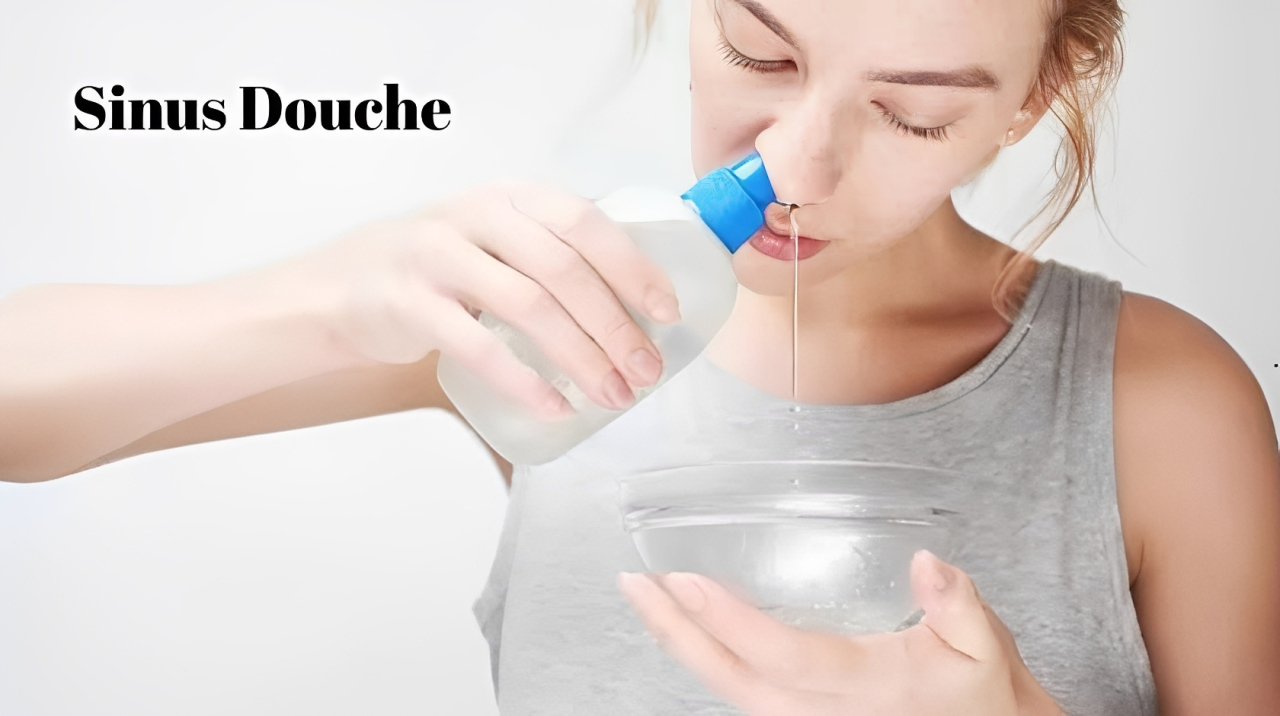
A sinus douche is a simple yet powerful nasal irrigation method used to clean the nasal passages and sinuses. It involves flushing a saline solution through the nose to remove mucus, allergens, dust, and irritants. Many people turn to this method when dealing with sinus congestion, allergies, colds, or chronic sinusitis.
Think of your nasal cavity like a busy air filter. Over time, it collects dust, pollen, and bacteria. A sinus douche works like a gentle rinse cycle that clears out that buildup, allowing you to breathe more freely. It’s a natural, drug-free approach that has been used for centuries in different forms across traditional medicine systems.
Today, doctors and ENT specialists often recommend nasal irrigation as a supportive treatment for sinus-related issues. But like any health practice, it needs to be done correctly to be safe and effective.
How a Sinus Douche Works
A sinus douche works by introducing a saline solution (salt + sterile or boiled water) into one nostril, allowing it to flow through the nasal cavity and exit through the other nostril.
This process helps:
- Flush out mucus buildup
- Remove allergens like pollen and dust
- Reduce inflammation in nasal passages
- Improve natural sinus drainage
The saline solution is important because it matches the natural salt concentration of the body. This prevents irritation and helps maintain the delicate balance of nasal tissues.
When performed correctly, the fluid follows gravity and sinus pathways, cleaning areas that are difficult to reach with sprays or tissues alone.
Benefits of Using a Sinus Douche
1. Relief from Sinus Congestion
One of the biggest benefits is immediate relief from blocked nasal passages. Thick mucus becomes easier to clear, improving airflow almost instantly.
2. Allergy Symptom Reduction
People with seasonal allergies often use sinus irrigation to remove pollen and allergens before they trigger symptoms like sneezing, itching, or swelling.
3. Support for Sinusitis Treatment
Doctors often recommend nasal rinsing as part of treatment for acute and chronic sinusitis. It helps reduce bacterial load and supports healing.
4. Improved Breathing Quality
Regular use can lead to better overall nasal breathing, especially at night, improving sleep quality.
5. Reduced Dependence on Medication
While not a replacement for medication, it can reduce reliance on decongestant sprays and antihistamines in some cases.
Types of Sinus Douche Devices
There are several tools used for nasal irrigation, each with slightly different methods.
| Device Type | Description | Ease of Use |
|---|---|---|
| Neti Pot | Small pot that pours saline through the nose | Moderate |
| Squeeze Bottle | Bottle that pushes saline through pressure | Easy |
| Bulb Syringe | Rubber bulb used to gently flush nasal passages | Easy |
| Electric Irrigator | Powered device with controlled flow | Advanced |
Each device achieves the same goal: rinsing the nasal cavity. The choice depends on comfort and user preference.
How to Prepare a Safe Sinus Douche Solution
Using the right solution is extremely important for safety.
A proper saline mix includes:
- Sterile, distilled, or boiled and cooled water
- Non-iodized salt or pre-made saline packets
The water quality matters because tap water may contain microorganisms that are safe to drink but unsafe for nasal use.
A typical ratio is:
- 1 teaspoon of salt per 500 ml of water (approximate guideline)
The solution should feel slightly salty but not irritating.
Some people also add baking soda in small amounts to reduce burning sensation, but this is optional.
Step-by-Step Guide to Using a Sinus Douche
Using a sinus douche correctly is key to comfort and effectiveness.
First, lean over a sink and tilt your head slightly to one side. This helps the solution flow naturally through the nasal passage. Insert the device tip gently into the upper nostril and slowly pour or squeeze the saline solution.
Let the liquid flow through your nasal cavity and exit from the opposite nostril. Breathe through your mouth during the process to avoid discomfort.
Repeat the same process on the other side. After finishing, gently blow your nose to remove any remaining fluid or mucus.
Always clean your device thoroughly after each use to prevent bacterial growth.
Safety Tips and Precautions
While sinus douches are generally safe, improper use can lead to complications.
Important safety guidelines include:
- Always use sterile or boiled water
- Do not use excessive pressure
- Avoid if you have a completely blocked nose
- Clean devices after every use
- Do not share irrigation tools with others
Using contaminated water is the most common risk factor and has been linked to rare but serious infections. That’s why water quality should never be ignored.
Possible Side Effects
Most people tolerate nasal irrigation well, but some may experience:
- Mild burning or stinging sensation
- Temporary ear fullness
- Minor nose irritation
- Post-rinse dripping
These effects are usually mild and temporary. If discomfort persists, adjusting the salt concentration often helps.
Who Should Use a Sinus Douche?
A sinus douche may be helpful for:
- People with seasonal allergies
- Individuals with chronic sinusitis
- Those exposed to dust or pollution
- Patients recovering from colds or flu
- People who experience frequent nasal congestion
However, it may not be suitable for:
- Individuals with frequent nosebleeds
- People with certain ear conditions
- Those who recently had nasal surgery (unless advised by a doctor)
Expert Opinion on Nasal Irrigation
ENT specialists often recommend nasal irrigation as part of sinus care. According to many clinical guidelines, saline irrigation can improve symptom relief in chronic rhinosinusitis patients.
Medical professionals often describe it as a supportive therapy, meaning it works best alongside other treatments rather than as a standalone cure.
The simplicity of the method makes it a widely recommended home remedy, especially for long-term sinus care.
Sinus Douche vs Nasal Spray
| Feature | Sinus Douche | Nasal Spray |
|---|---|---|
| Cleaning depth | Deep sinus cleansing | Surface relief |
| Drug-free | Yes | Sometimes medicated |
| Effect duration | Longer-lasting | Short-term |
| Ease of use | Moderate | Very easy |
A sinus douche provides deeper cleansing, while sprays offer quick but temporary relief.
Conclusion
A sinus douche is a natural and effective method for clearing nasal passages and supporting sinus health. By flushing out mucus, allergens, and irritants, it helps improve breathing and reduces discomfort caused by congestion and allergies.
When used correctly with safe water and proper technique, it becomes a simple yet powerful tool for daily respiratory wellness. It doesn’t replace medical treatment, but it can significantly improve quality of life for people dealing with sinus-related issues.
FAQs
1. Is a sinus douche safe to use daily?
Yes, it is generally safe for daily use if done correctly with sterile water and proper hygiene.
2. Can children use a sinus douche?
Yes, but only under adult supervision and preferably with medical advice.
3. What type of water should I use?
Always use distilled, sterile, or boiled and cooled water to avoid infection risk.
4. Does a sinus douche cure sinus infections?
No, it does not cure infections but helps relieve symptoms and supports treatment.
5. Can I use a sinus douche during a cold?
Yes, it can help reduce congestion and improve breathing during colds.